



Opening Spotlight
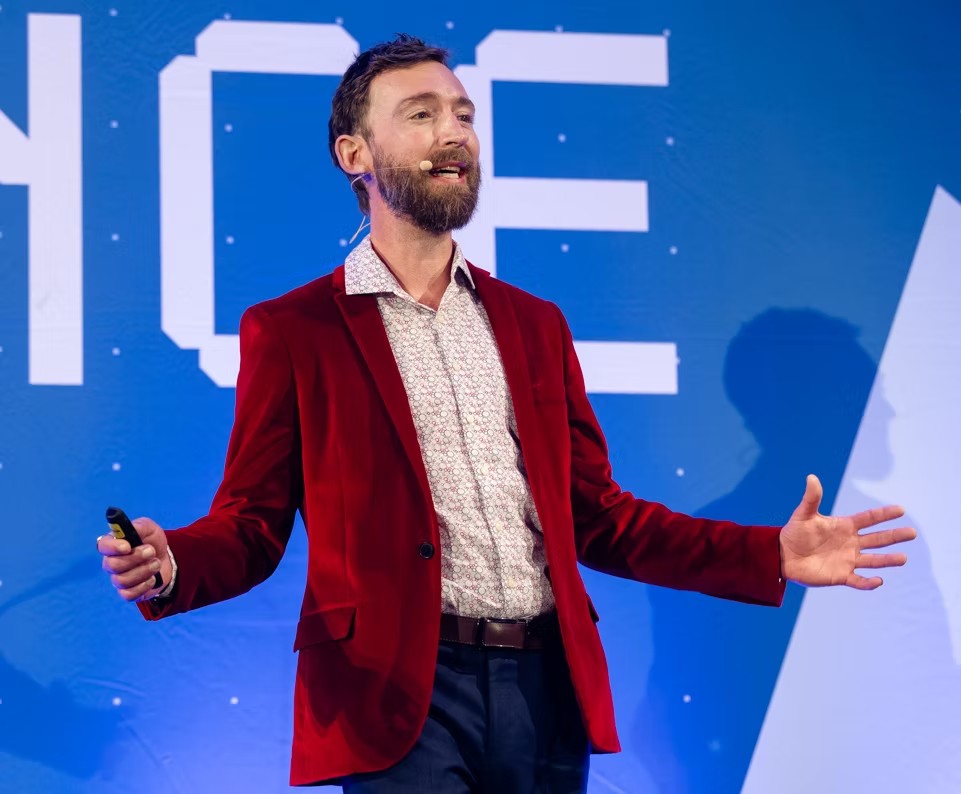
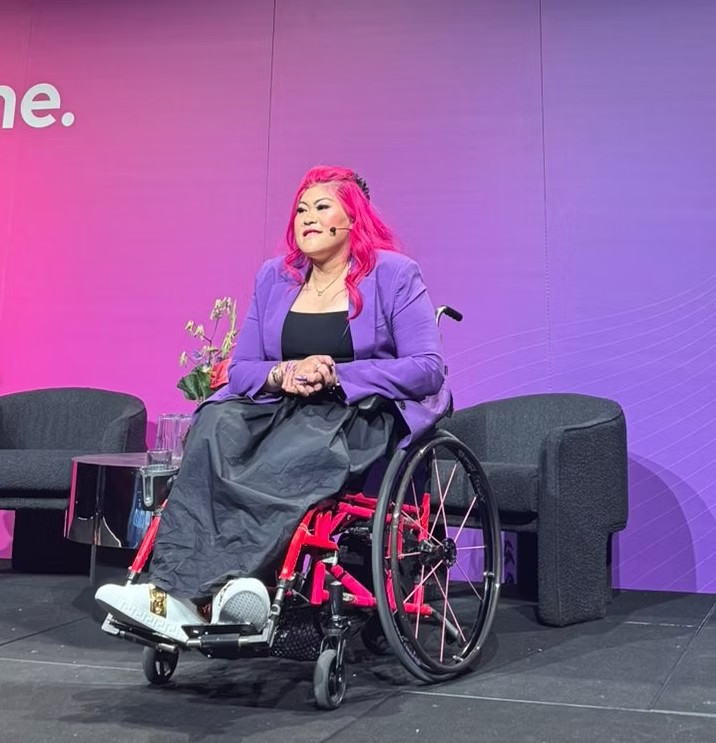
The smarter machines get, the more valuable humans become.
Tane Hunter & Daisy Wong
Founder, Future Crunch & author, Full Stack Human · Security Culture and Awareness Lead, Disability Advocate
Opening the day, Tane and Daisy bring Future Crunch's Full Stack Human keynote — built on research into why most enterprise AI initiatives fail to pay off, and the trainable human capabilities (catching your own cognitive bias, learning faster than the rate of change, updating your thinking as evidence shifts, and staying curious under pressure) that decide who thrives as intelligence becomes abundant. Expect them to tie those threads back to several of the day's own Building and Navigating questions, setting up what the rest of the programme digs into.
More about this session
Tane Hunter & Daisy Wong
Founder, Future Crunch & author, Full Stack Human
Security Culture and Awareness Lead, Disability Advocate
Full Stack Human
The smarter machines get, the more valuable humans become.
Opening the day, Tane and Daisy bring Future Crunch's Full Stack Human keynote — built on research into why most enterprise AI initiatives fail to pay off, and the trainable human capabilities (catching your own cognitive bias, learning faster than the rate of change, updating your thinking as evidence shifts, and staying curious under pressure) that decide who thrives as intelligence becomes abundant. Expect them to tie those threads back to several of the day's own Building and Navigating questions, setting up what the rest of the programme digs into.
The tough questions
At Signal Not Noise, engineers, product managers, designers, delivery leads, data practitioners and the leaders who work alongside them get honest about the tough questions they’re dealing with. Six question areas shape the day, each with a starter question to begin with.
No one has all the answers yet. Our promise is more clarity, and a path to answering your gnarliest questions. So instead of picking a session because it’s tagged “Engineering” or “Product”, ask one thing: does this help me answer one of the questions?
Select any session for more detail.
Building
What does good engineering look like when AI wrote half the code?
Understanding AI Output with Engineering Fundamentals
Dalia Sinclair — Full Stack Software Engineer
Kite Flying and Plate Spinning: Orchestrating Longer-Running, and More Independent Agents
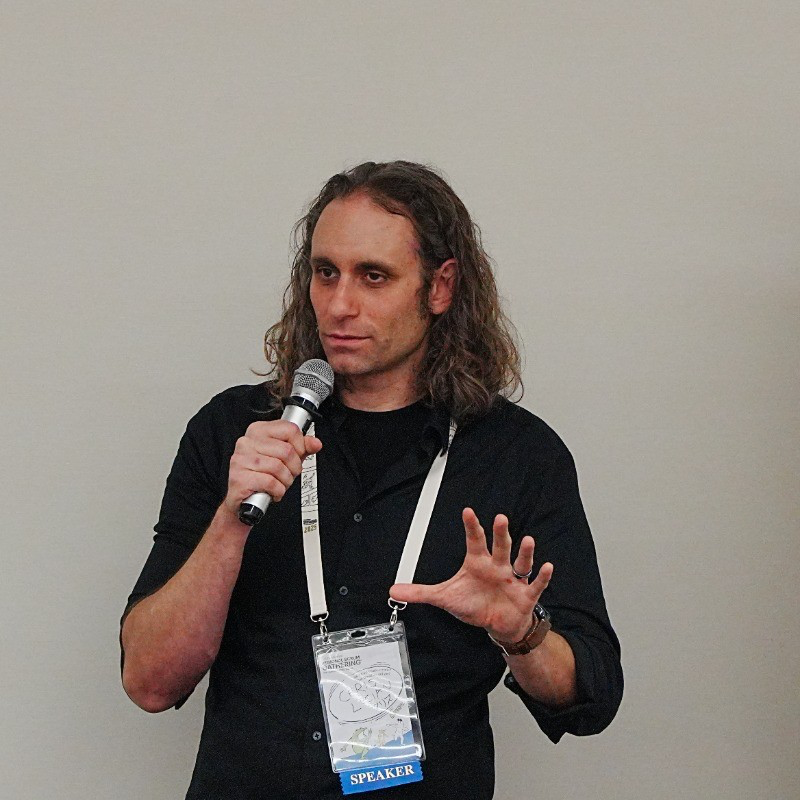
Chris Lucian — Director of Global Software Development
How to build (hopefully) production-grade software without looking at the code. A walkthrough of a coding harness built on Speckit.
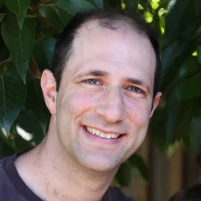
Mark Grebler — Chief Technology Officer
How do I build what matters when I’m not the one setting the strategy?
I’m a CD in a streaming world. Inside a 24-Hour News Channel’s Digital Transformation
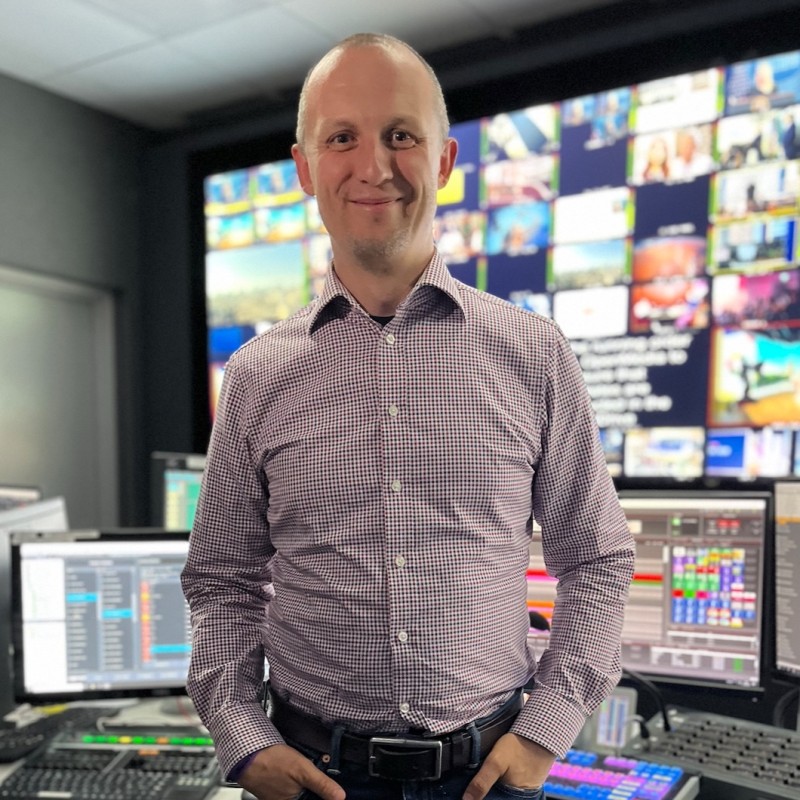
James Scurry — Senior Producer
When Everyone Can Produce, What Makes You Trusted?
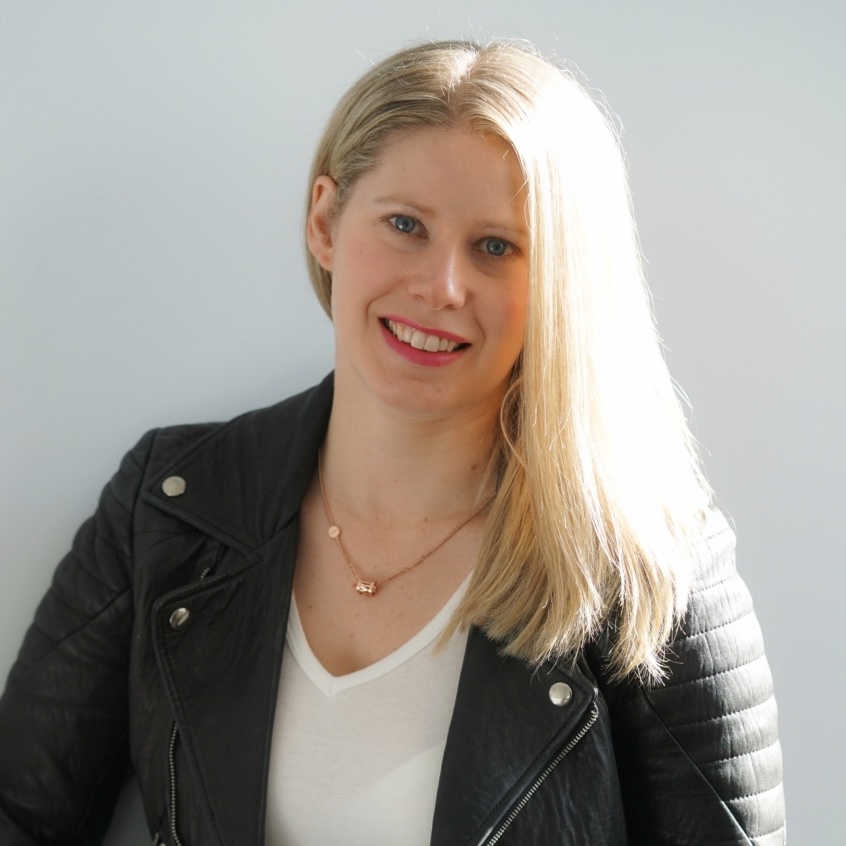
Jade Bennett — Founder
How do I build what matters when I am not the one setting the strategy?
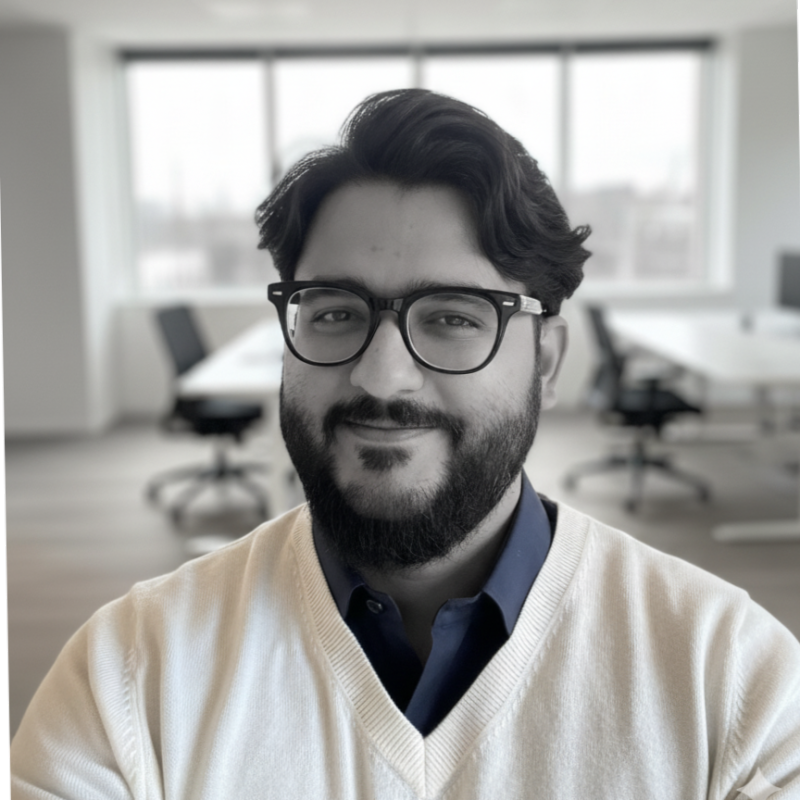
Saif Khan — Senior Consultant
How do you design for someone whose expectations change faster than your research?
You Can’t Always Build What They Want: Finding Your Users Need
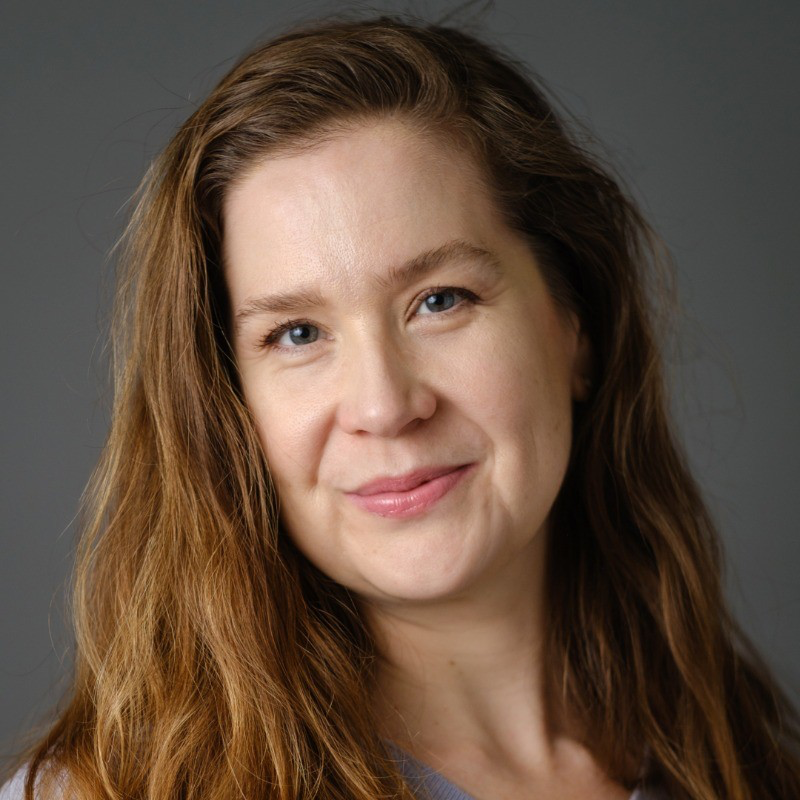
Megan Davis — Lead Storyteller
Duelling LLMs: what happens when the client and the analyst are both using AI to write the requirements
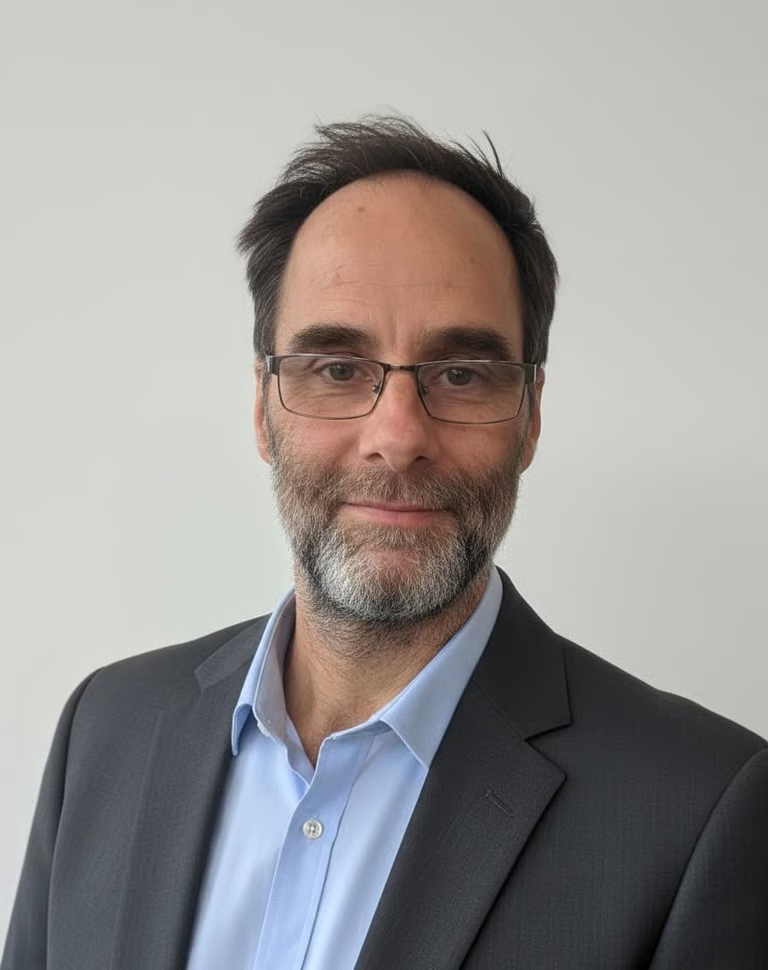
Simon Dale — CTO
The Research Was Good. It’s Just Not True Anymore.
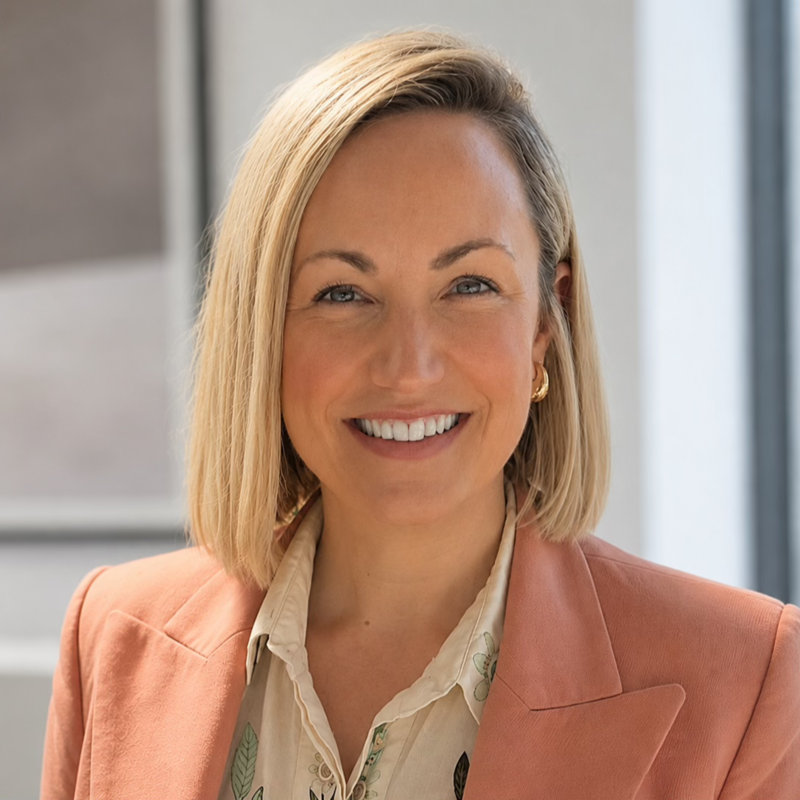
Rebecca Karpiuk — Customer Experience Transformation Leader
Navigating
The board wants an AI strategy. What do you tell them? And how do you make it happen?
Govern AI: Modernising Governance for the Machine Age
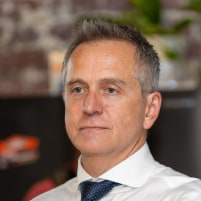
Tony Ponton — Executive Principal Consultant & Phil Gadzinski
The AI Strategy Nobody Can Stop: Kettei and the Competence to Stop
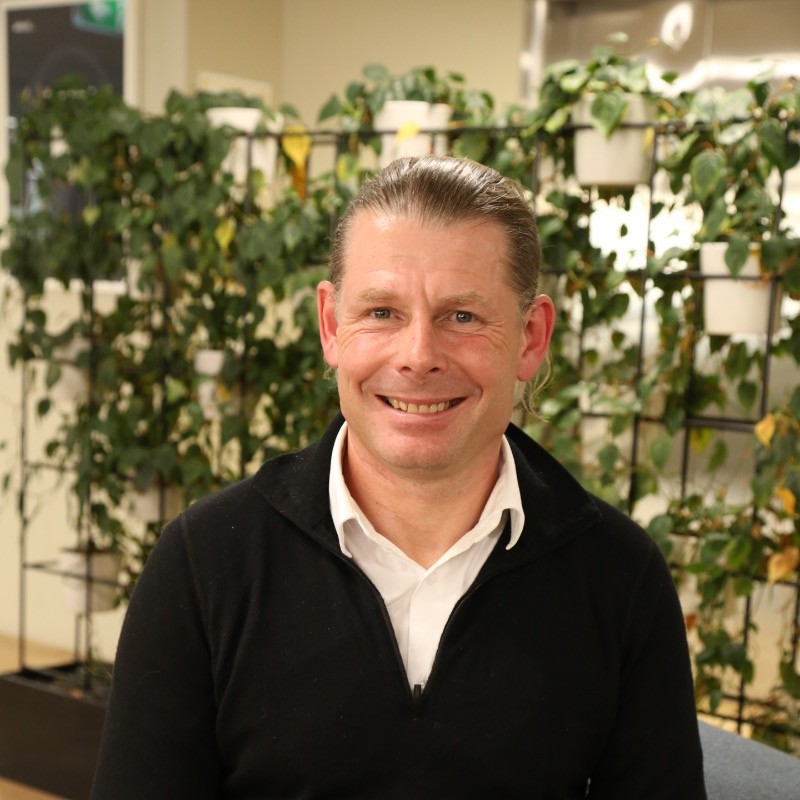
Gareth Holebrook — Intent-Based Leadership Coach
The Signal Nobody Owned: Decision Rights When You Add AI
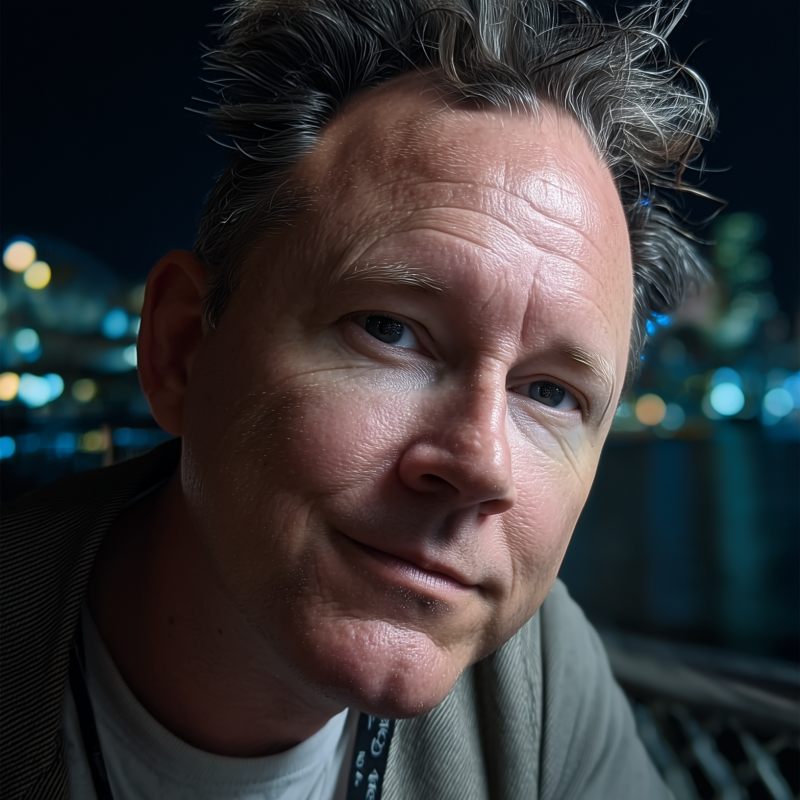
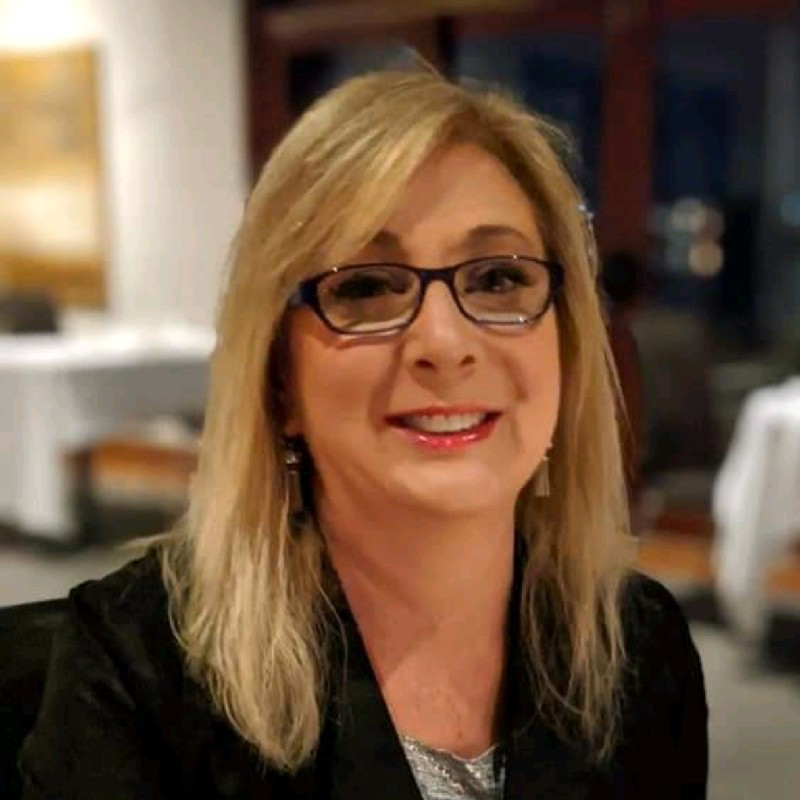
Matt Hodgson — CEO & Mia Horrigan — Co-Founder
Your team got faster. Why did you become the bottleneck?
Why can’t you get out of the way?! How to move fast by giving ownership without losing oversight
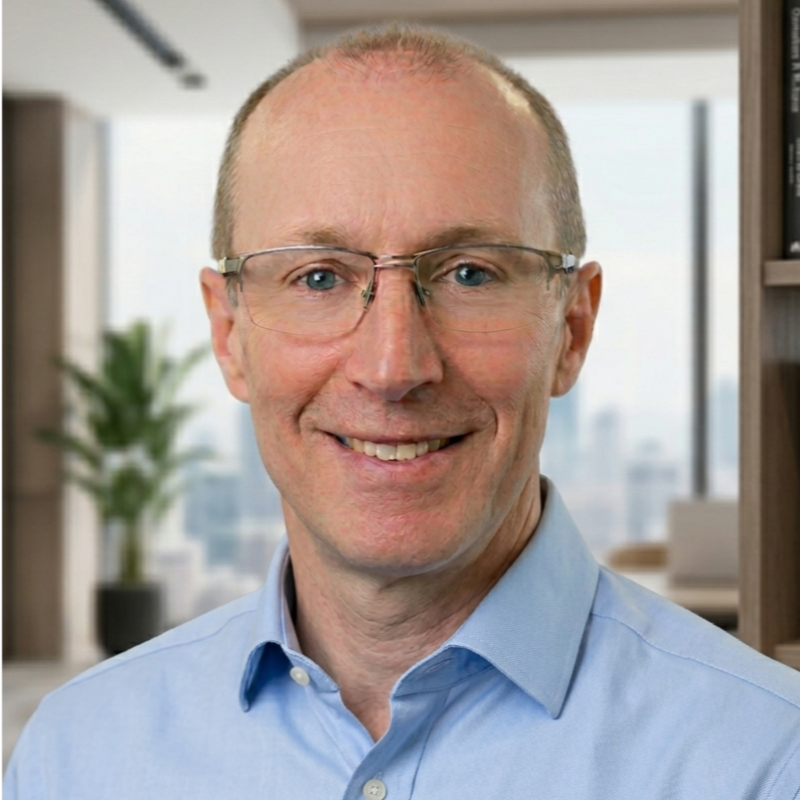
Nick Wadsley — Engineering Manager
Everyone’s Busy. Nothing’s Shipping. Where’s the Bottleneck?
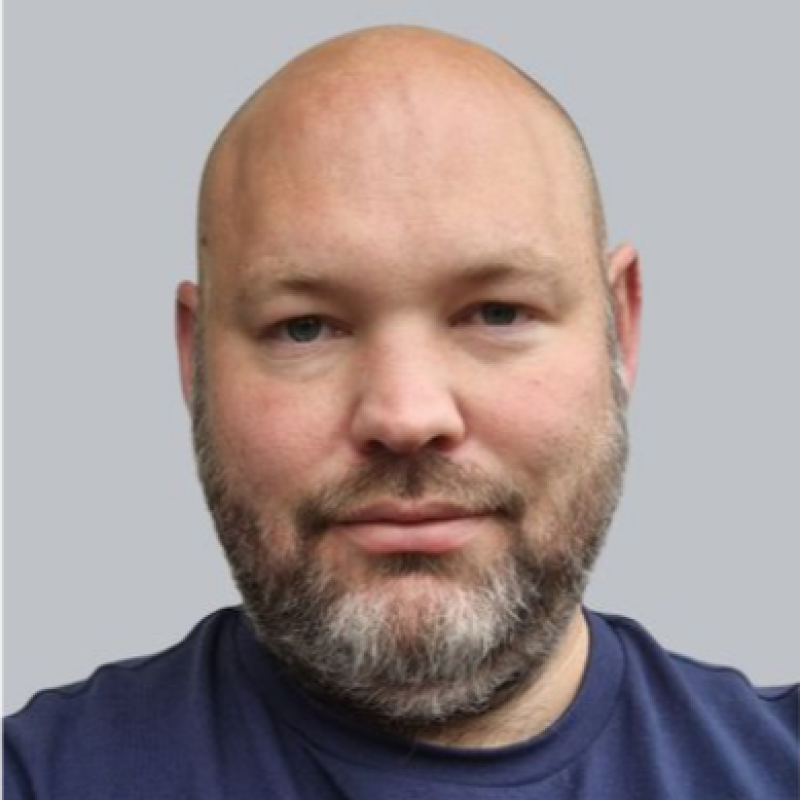
Rowan Gobey — Founder
The Product Organisation of the Future
Milad Dakka — CEO
The pilot worked. What happens next?
Children of the Magenta: what aviation learned about skill atrophy under automation, and what it means for GenAI at work
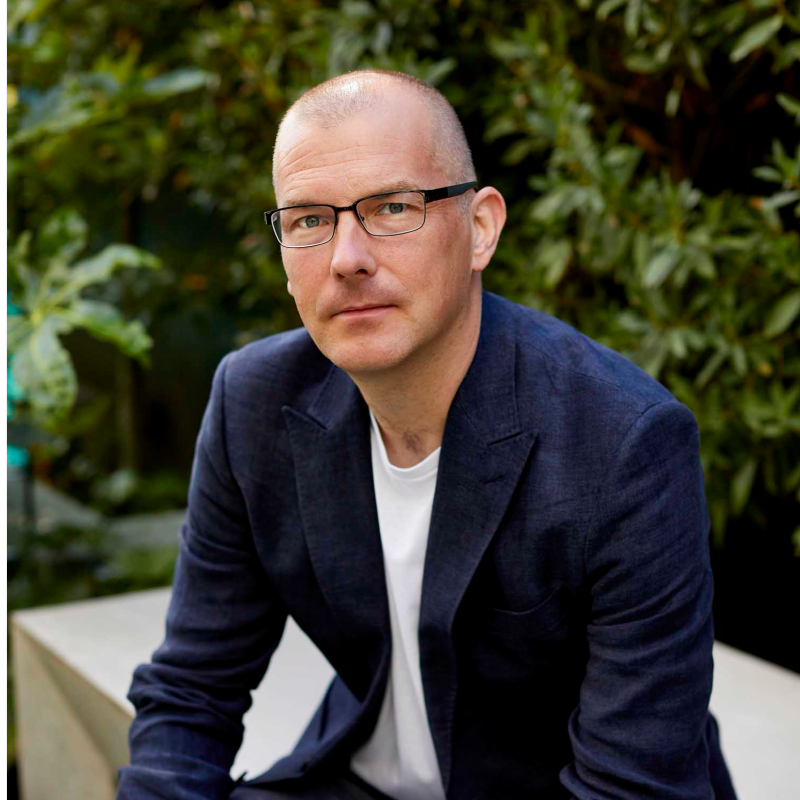
Sami Mäkeläinen — Founder
AI SDLC: What Does Good Look Like?
Andrew Elms — Engineering Manager
Why AI Pilots That Work Still Fail
Jane Korneyko — Founder
Closing Session
Built live from what the day produced.
Megan Davis
Lead Storyteller, Spendlove and Lamb
The day is built to add up, not just to run as separate sessions. Megan closes it by turning what the room contributed into one shared picture.
More about this session
Megan Davis
Lead Storyteller, Spendlove and Lamb
Built live from what the day produced
One thread from the first session to the last, instead of a series of unconnected sessions.
Through the day, you add your own words and stories to the six questions using Deckle. Short prompts, no login. Every round feeds the same shared thread.
In the final session, Megan reads what the room produced, picks out the words and stories that stand out, and facilitates a live conversation about what they mean and why. The meaning comes from the people who were in the room, not from a summary written for them.
The result is a close built from the whole day. You leave with one coherent picture of what the room learned, and what to do next.
The innovative structure of the day
Spotlight speakers open the day. In between, three rounds each pair one Building question area with one Navigating question area. Small-group rib sessions go deep, then a spine session brings everyone back together to turn those conversations into something the whole room can use.
See how the day worksThe day at a glance
Six questions, three rounds, one thread
Rib sessions, small groups
Engineering Trust
3 ribs
Leading Faster Teams
3 ribs
Spine sessions, back together
Engineering Trust
spine
Leading Faster Teams
spine
Rib sessions, small groups
Building What Matters
3 ribs
The Board Question
3 ribs
Spine sessions, back together
Building What Matters
spine
The Board Question
spine
Rib sessions, small groups
Discovery in Flux
3 ribs
AI in Practice
3 ribs
Spine sessions, back together
Discovery in Flux
spine
AI in Practice
spine

Registration details
-
Registration is open. The date is confirmed: Friday 13 November 2026.
Pricing structure:
- Early Bird - Best value, limited time offer
- Regular - Standard registration pricing
- Signal Not Noise Club Full Members - Discounted rate for Club members
All prices include GST.
There will also be an option for self-funded registrations, early-stage founders, and people who are unwaged. Please get in touch with details of your situation.

What is Signal Not Noise?
Signal Not Noise is a one-day conference for engineers, product managers, designers, delivery leads, data practitioners, tech leaders and the people who work alongside them. Every session is selected because it's useful. Every price is set to keep the event accessible.
FAQs
What happened to LAST?
What are your health and safety policies?
Are you taking submissions?
Will there be catering?
Will this be recorded or live-streamed?
What are your cancellation/rescheduling policies?
Do you have a Code of Conduct?
How can I help?
Why Signal Not Noise?
It is Useful. The test for any session is whether it can help you answer the tough questions on Monday. If it can't, it doesn't make the programme.
It is based on Real work, not just theory. We prioritise people who have done the thing, run the team, or solved the problem.
It is Deliberately Cross-functional. Engineers, CTOs, product managers, designers, engineering managers and delivery leads all in the same building. The best ideas come from that mix.
It is Community-built. Signal Not Noise has been running in Australia since 2012, built on local organisers and affordable registration prices. Accessible and collegiate, on purpose.
Work is changing faster than the frameworks.
Everyone is being asked to figure out AI, rethink delivery, and restructure teams, all while keeping the lights on. Signal Not Noise is where people doing it share what works.
Work is being rewritten.
What are you going to do about it?
Melbourne 2025 was the last event under the LAST Conference name…thirteen years after it started in 2012. If you were in that room, welcome to something built differently.
AI is changing team structures, role definitions, and what companies are even for. Nobody has this figured out yet. So instead of a programme built around themes, Melbourne 2026 is organised around some tough, specific questions the people building, leading and shaping digital products and services are grappling with.
See the questions we're addressingWho comes?
People making the calls and doing the work,
in the same room.
Signal Not Noise Melbourne is for people navigating real structural change in how companies are built and run. The CTO deciding what to tell the board about AI strategy. The product lead building without setting the roadmap. The engineer standing behind code half-written by AI. Different roles and perspectives, the same hard questions.
What people say…
We have had thousands of people come to our previous conferences somewhere in Australia or online to a Club event. Here's what some of them have had to say about the benefits of our events:
Supporters

RMIT FORWARD
RMIT FORWARD is RMIT University's centre for future skills and workforce challenges, exploring learning ecosystems and inventing next-generation skills solutions for workforce development.
Driven by curiosity.
Focused on results.
We build AI that reaches production, not just a pilot.
We are a group of people who like solving hard problems for our clients. We do it through design thinking backed by extensive engineering expertise, with AI now inside how we work rather than beside it.
Backers

Build interactive experiences in seconds with AI
Deckle helps you create scavenger hunts, quizzes, challenges and social activities with just a prompt

Narrative strategy and storytelling for businesses
We help teams and organisations engineer story-based insights into the buy-in and communication strategies they need to produce the solutions of tomorrow.

Software Engineering when you need it
High quality, scalable, distributed development teams are ready to help you now.

AI / Engineering / Data
Helping teams build quality software faster.

Learn about Atlassian tools
Atlassian Community Events are free, user-led meetups Open to all Atlassian users, developers, and people interested in learning about Atlassian tools.

This event will be held on Wurundjeri land. We acknowledge the people and elders of the Wurundjeri of the Kulin Nation who are traditional custodians of this land. We respect the cultural, spiritual and educational practices of Aboriginal and Torres Strait Islander peoples.

We have been signatories to the Diversity Charter for conferences since 2016. For us, this means taking active steps to ensure that the lineup of presenters we have reflects the community we serve. It also means that we seek out under-represented voices and topics for the schedule.
